Jamaican Dancehall music has evolved to conquer the world!
Michael Tomlinson and the Making of Jamaican Dancehall’s Regional Rise!
By Norris R McDonald, Author, Editor & Human Rights Activist
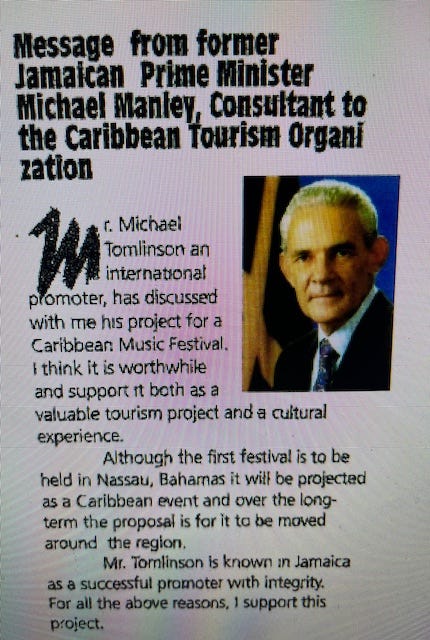
“Michael Tomlinson is known in Jamaica as successful promoter with integrity!” —Michael Manley, Jamaican Prime Minister
Michael ‘Savage’ Tomlinson Dancehall’s music iconic visionary
When the story of Jamaican music is told, the spotlight usually falls—rightfully—on the artists: the DJs, selectors, producers, sound systems, and communities that forged ska, rocksteady, reggae, and dancehall out of everyday struggle and street-level genius. Yet behind every global cultural explosion, there are architects who work outside the microphone—people who build bridges between raw creativity and international reach. Michael Tomlinson is one such figure, too often missing from the mainstream dancehall narrative.
Tomlinson’s contribution to Jamaican and Caribbean music did not come from lyrics or riddims, but from strategy, vision, and institution-building. He helped create the conditions under which dancehall reggae could be presented, legitimized, and exported as a global cultural force—without surrendering its Caribbean soul.
Innercity Promotions and the Fight for Legitimacy
In the early 1980s, dancehall faced fierce resistance at home. Cultural elites and moral authorities dismissed it as “slackness,” disorder, or social decay. It was popular, but not respected. At that critical moment, Innercity Promotions—spearheaded by Michael Tomlinson alongside Lois Grant—introduced a new model of live entertainment that treated dancehall as serious performance culture.
Through landmark productions such as the “Saturday Nite Live” concerts and the annual “DanceHall” concert series, Innercity Promotions helped professionalize dancehall presentation. These were not merely shows; they were statements. Dancehall belonged on major stages, on television screens, and in national cultural space. By blending live performance with sophisticated staging and broadcast-ready production, Tomlinson and Grant helped push dancehall beyond the margins and into legitimacy.
From Kingston to the Caribbean Stage
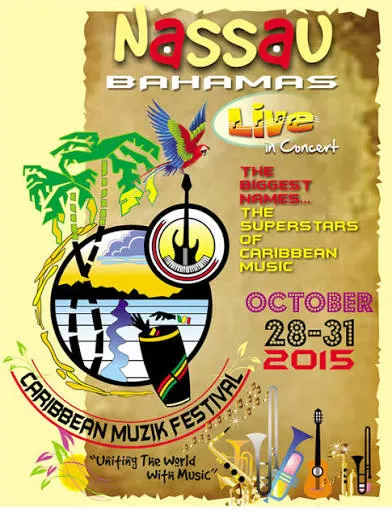
By the late 1980s and early 1990s, dancehall had firmly rooted itself in Jamaica’s inner cities. What it lacked was a regional platform that treated Caribbean music—not as novelty entertainment—but as a serious cultural industry. Michael Tomlinson stepped decisively into that gap through the creation of the Caribbean Muzik Festival.
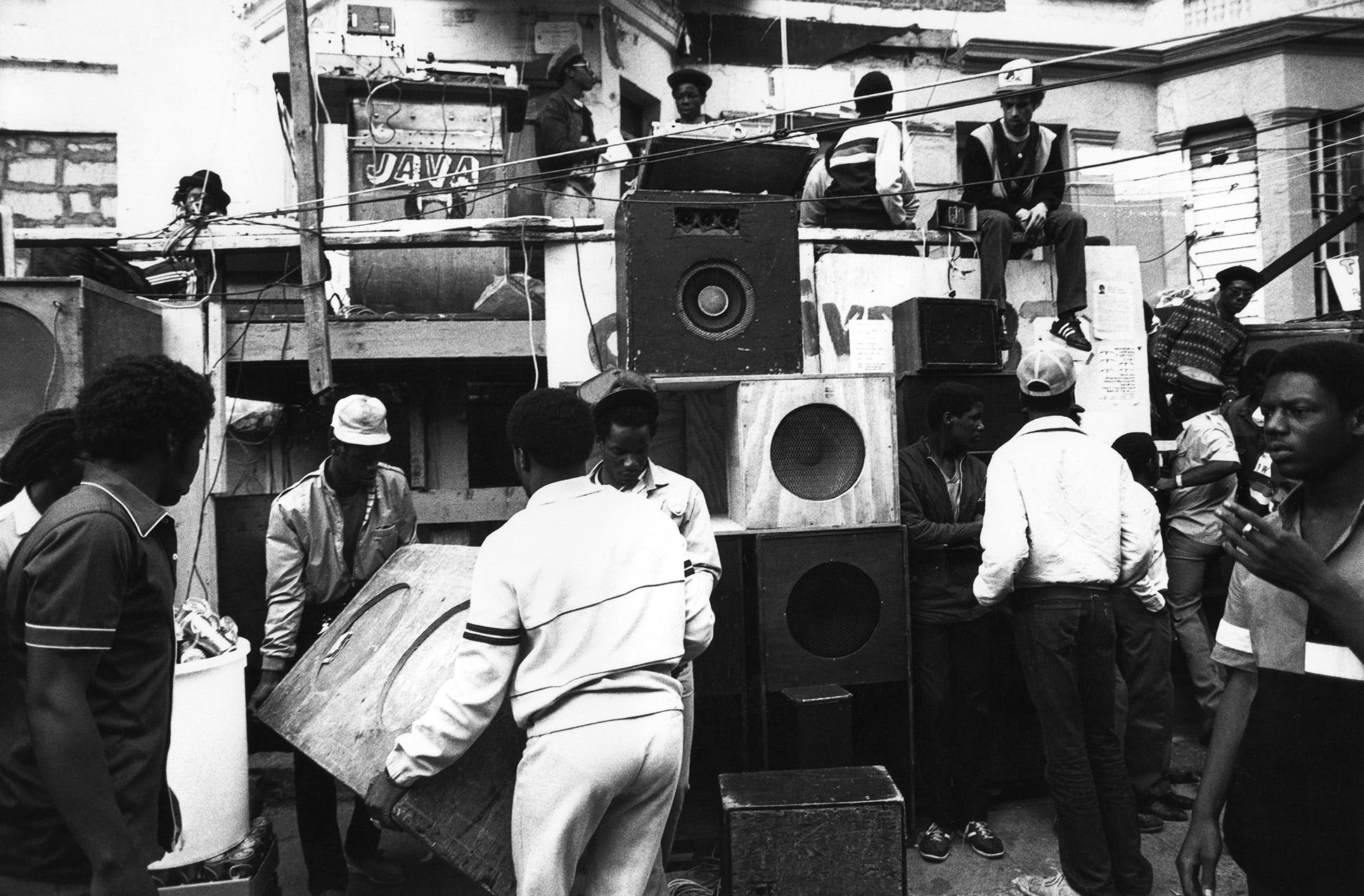
Jamaican sound system operators sitting up for a night a 1960s inner city, Reggae Dancehall ‘bashment.’
Launched across Caribbean territories, the festival was conceived as far more than a concert series. It was a regional cultural project, supported by tourism ministries, political leaders, and public institutions. Dancehall was presented on equal footing with calypso, soca, jazz, gospel, and roots reggae—without apology and without dilution.
That curatorial decision mattered deeply. At a time when dancehall was still stigmatized, the Caribbean Muzik Festival reframed Jamaican popular music as a legitimate expression of Caribbean modernity. Dancehall was no longer treated as a social problem to be managed, but as a cultural asset to be developed.
This shift reshaped how governments, tourism agencies, and international partners understood Jamaican music. Dancehall was repositioned as cultural capital—capable of generating economic value, regional pride, and international influence.
Building Infrastructure, Not Just Hype
What distinguished Tomlinson’s work was his understanding that culture requires infrastructure. His background in marketing, brand development, and international promotion allowed the Caribbean Muzik Festival to attract corporate sponsors, regional tourism investment, and international broadcasters.
The festival experimented with early forms of pay-per-view distribution, anticipating today’s streaming-driven cultural economy. This ecosystem mattered for dancehall artists. It expanded access to regional and global audiences, embedded dancehall within a wider Caribbean narrative, and linked music to tourism, media, and economic development rather than treating it as disposable entertainment.
Why This History Matters Now
Long before the language of “global South creative industries” became common, Michael Tomlinson was practicing Caribbean regionalism in action. He rejected the colonial assumption that cultural validation must come from London or New York, insisting instead that Caribbean music circulate, earn respect, and build value within the region first.
This approach quietly challenged inherited cultural hierarchies and helped establish Caribbean music as world-class culture on its own terms.
Today, dancehall is streamed, sampled, and monetized worldwide, often with limited benefit returning to Jamaica. Remembering figures like Michael Tomlinson is not nostalgia; it is a reminder that cultural power is constructed, defended, and often contested.
Dancehall did not simply “go global.” It was carried, defended, and structured into global space by people who understood that cultural sovereignty matters. Michael Tomlinson is one of those builders.
That’s just the Bitta Truth.
Norris R. McDonald is an author, economic journalist, political analyst, and respiratory therapist.




No comments:
Post a Comment